1.Sardinia: A Mediterranean Dream in Living Colour

Perched 200 km (120 mi) west of mainland Italy and just south of Corsica, Sardinia is the Mediterranean’s second-largest island—a place where emerald coves meet prehistoric stone towers, and long, lazy lunches stretch into sunset aperitifs.
Where Is Sardinia & How to Get There
Three international airports make arrivals a breeze—Cagliari (CAG) in the south, Olbia (OLB) on the glamorous northeast coast, and Alghero (AHO) in the northwest. Ferries from Civitavecchia, Genoa, Nice and Marseille are popular for road-trippers.
Find the cheapest flights to Sardinia – Compare ferry schedules & prices
Sardinia’s Must-See Areas
| Area | What Makes It Special | Useful Links |
|---|---|---|
| Costa Smeralda & Porto Cervo | Super-yachts, luxury boutiques, and beaches like Spiaggia del Principe. | Costa Smeralda hotels |
| La Maddalena Archipelago | National-park waters perfect for sailing and snorkelling. | Reserve a day excursion |
| Alghero & Riviera del Corallo | Medieval Catalan old town, coral‐jewellery shops, sunset ramparts. | Best Alghero stays |
| South Coast: Cagliari, Villasimius, Chia | Flamingos in salt lagoons, soft-sand beaches, vibrant nightlife. | See Villasimius resorts |
| East Coast & Gulf of Orosei | Dramatic limestone cliffs, Cala Goloritzé hike, Gola di Gorropu canyon. | Guided tours and excursions |
| Inland Barbagia | Mountain villages, longevity secrets, UNESCO-listed Su Nuraxi nuraghe. | 4×4 inland adventure |
Culture & Lifestyle: Slow, Authentic, Timeless
Sardinians live by the seaside yet keep pastoral roots alive. Polyphonic canto a tenore singing (UNESCO intangible heritage) echoes in Barbagia’s stone villages, while traditional launeddas reed pipes provide the soundtrack to folk festivals. The island’s “Blue Zone” reputation for longevity springs from a diet rich in olive oil, wild herbs, and … more than a little relaxed attitude toward time.
Taste of Sardinia
Pane Carasau: Paper-thin, crispy “music sheet” bread—perfect with pecorino. (en.wikipedia.org)
Porceddu: Herb-roasted suckling pig, the island’s festive centrepiece.
Fregula: Toasted semolina pearls, often cooked with clams or bottarga.
Seadas: Cheese-filled pastries drizzled with honey—save room for dessert!
Cannonau & Vermentino: Signature red and white wines, antioxidant-rich and beach-ready.
Top Experiences & Excursions
- Sail the Emerald Coast: Charter a catamaran or join a sunset cruise—turquoise in every direction.
Dive WWII wrecks & marine parks around Tavolara and Capo Carbonara.
Hike Europe’s “Grand Canyon,” Gola di Gorropu, or trek to Cala Luna’s sea caves.
Step back 3,000 years at Su Nuraxi di Barumini and the mysterious nuraghi towers.
Sip & swirl at Cannonau vineyards in Ogliastra, home to some of the world’s longest-lived people.
Where to Stay
From five-star icons like Hotel Romazzino and Forte Village Resort to eco-chic farm stays in the interior, Sardinia covers every travel style. Family travellers love Chia Laguna, while couples hide away at boutique charmer Su Gologone. (thetimes.co.uk)
See family-friendly resorts – Boutique agriturismi and Villas
Plan Your 2025 Sardinia Escape
Shoulder seasons (May–June & September–October) balance warm seas with quieter beaches.
Car hire unlocks hidden coves—book early for summer.
Pack light layers; island evenings can feel surprisingly fresh.
Ready to dive into Sardinia’s sapphire shallows and age-old culture? Start with the essentials— check your flights, secure your dream hotel, and add unforgettable excursions—then let the island’s rhythm slow you right down.
Buon viaggio—see you under the Sardinian sun!
- Departure Checklist
2. Symi, Greece: Where Pastel Dreams Meet the Deep Blue
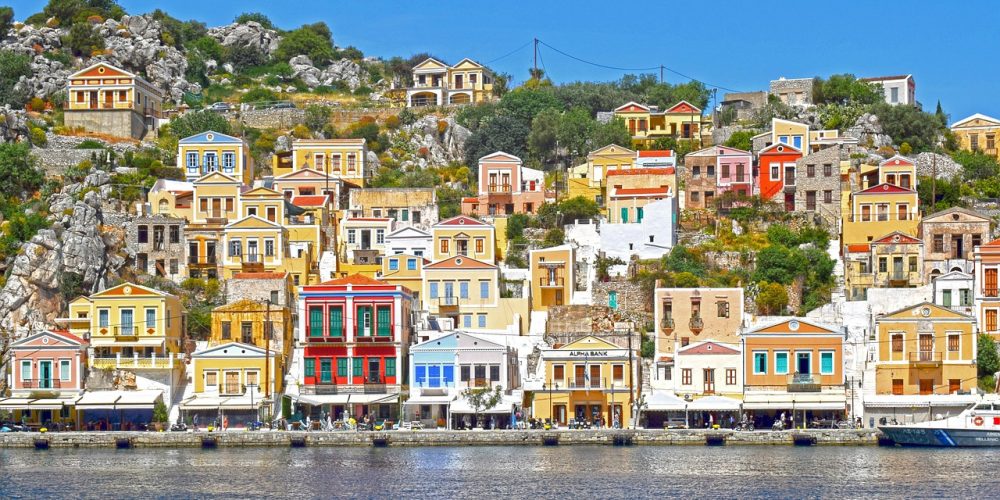
Tucked in the southeastern Aegean Sea just an hour from Rhodes, the tiny Greek island of Symi (Σύμη) is a postcard come to life—pastel-coloured neoclassical houses, fishing boats bobbing in crystal bays, and cobbled lanes that climb to timeless mountain chapels. Whether you come for a day or a week, Symi casts a slow, irresistible spell.
Where Is Symi & How to Get There
Explore Symi Town & Beyond
| Area | What to See | Useful Links |
|---|---|---|
| Gialos (Main Port) | A rainbow of Venetian-style homes, tavernas, boutiques. | Hotels in Gialos |
| Chorio (Upper Town) | Quiet alleys, panoramic views, and the old castle ruins. | Day tours in Symi |
| Pedi Bay | A peaceful beach village, just a 30-minute walk or 5-min taxi from town. | Seaside stays in Pedi |
| Panormitis Monastery | One of Greece’s most famous Orthodox monasteries. | Boat excursion from Symi |
A Taste of Symi Life: Tradition with a View
Life in Symi unfolds slowly. Locals gather at the port cafés, fishermen repair their nets under fig trees, and time seems to pause with every church bell. Despite its laid-back pace, the island buzzes with music festivals, religious celebrations, and a growing crowd of return visitors who fall for its authenticity.
What to Eat & Drink in Symi
Symi Shrimp Tiny: crispy-fried local shrimp eaten whole—light and addictive.
Dolmades Grape: leaves stuffed with rice and herbs, often homemade.
Moussaka Eggplant: and meat baked in creamy béchamel. A classic.
Lemonopita: a soft, syrupy lemon cake perfect with coffee.
Ouzo & Tsipouro: anise-flavored spirits served ice-cold—locals sip, never shoot.
Book a traditional Greek cooking class in Rhodes
Top Excursions & Experiences
- Boat trip to secluded beaches like Agios Georgios Dysalonas—only accessible by sea.
- Hike to Chorio and Kastro ruins for panoramic views and photo stops.
- Visit Panormitis Monastery, either by road or boat—peaceful and deeply spiritual.
- Swim at Nanou Beach, known for its pine backdrop and vivid blue water.
- Sail around Symi’s coast, with swim stops, lunch on board, and snorkelling.
Book an day tour in Symi
Where to Stay in Symi
Symi offers a magical blend of style and simplicity, with accommodations that feel more like a home than a hotel. For postcard-perfect views and a touch of elegance, choose one of the harbour boutique hotels in Gialos—restored neoclassical mansions that overlook the water, glowing golden at sunset. If you’re after peace, privacy, and authenticity, head uphill to Chorio, where traditional guesthouses with flowered balconies and stone walls offer the perfect setting for a digital detox or creative retreat. Prefer the sound of waves at your doorstep? Beachfront rooms in Pedi or Marathounda are ideal—simple, serene, and just steps from the sea.
Find hotels and Guesthouse in Symi
When to Visit Symi
Best months: May–June and September–October for warm sea temps and thinner crowds.
High season (July–August) is vibrant but hot—book in advance.
Holy Week & Orthodox Easter is a beautiful time to witness island traditions.
Ready to Discover Symi?
It may be small, but Symi is big on charm, colour, and soul. Whether you’re looking to unplug, explore, swim in secret bays, or simply watch the world drift by with a glass of local wine—this little island delivers a big escape.
See you in Symi, where life is best lived one slow wave at a time.
- Departure Checklist
3. Fuerteventura Canary Islands: The Art of Doing Nothing (Perfectly)

Welcome to Fuerteventura, the Canary Island where time slows down, the wind dances through golden dunes, and turquoise waves roll into untouched beaches. Just 100 km off the northwest coast of Africa, this Spanish island is a year-round escape for sun-seekers, surfers, and anyone ready to trade stress for salt air and simplicity.
Where Is Fuerteventura & How to Get There
Fuerteventura is one of the Canary Islands, located in the Atlantic Ocean just off the northwest coast of Africa, and it belongs to Spain. It’s known for its year-round sunshine, golden beaches, and laid-back island vibe. You can fly directly to Fuerteventura Airport (FUE) from most major European cities, including London, Berlin, Paris, Madrid, and Milan. The airport is conveniently located near the capital, Puerto del Rosario. If you’re island-hopping, regular ferry connections are available from Lanzarote (about 30 minutes) and Gran Canaria (around 2–3 hours), making Fuerteventura easily accessible by both air and sea.
Find direct flights to Fuerteventura
Rent a car to explore the island
Where to Go: Best Areas of Fuerteventura
| Area | What to Expect | Useful Links |
|---|---|---|
| Corralejo (North) | Lively beach town with surf vibes, dunes, nightlife & ferry to Lobos Island. | Hotels in Corralejo |
| El Cotillo | Quiet fishing village with epic sunsets & lagoon beaches. | Best excursions in Corralejo |
| Caleta de Fuste | Family-friendly area near airport with calm waters & golf. | Resorts in Caleta de Fuste |
| Costa Calma & Jandía (South) | Long white beaches, windsurfing mecca, luxury hotels. | Resorts in Costa Calma |
| Betancuria & Inland Villages | Historic old capital, mountain |
Life on the Island: Chill, Natural, Real
Locals (called majoreros) live close to nature, following the wind, sun, and rhythm of the land. There’s a raw beauty here—volcanic plains, turquoise waters, and wind-sculpted hills. No high-rise hotels or flashy beach clubs—just authentic island life, peppered with goats, aloe vera, and world-class surf spots.
Food & Flavour of Fuerteventura
Majorero Cheese (DOP): award-winning goat cheese, often served with mojo rojo.
Papas arrugadas: “wrinkled” salt-boiled potatoes with spicy Canarian sauces.
Fresh fish & vieja: grilled local fish served simply with lemon and herbs.
Aloe Vera juice & liqueurs Locally grown and bottled—refreshing and healthy. Malvasía & Listán wines Unique volcanic wines from nearby Lanzarote or Tenerife.
Top Excursions & Adventures
Lobos Island Day Trip – Snorkel, hike, or simply relax on this nature reserve just 15 minutes by boat from Corralejo.
- Catamaran or Dolphin Cruise – Sail the coast or spot marine life in the Atlantic.
Dunes of Corralejo – Golden sands stretching to the sea—bring your camera.
Surfing & Kitesurfing Lessons – For all levels, especially in El Cotillo and Flag Beach.
Cofete Beach & Pico de la Zarza – The island’s wild, windswept south—perfect for 4×4 tours.
Planning your trip? Book the ferry to Lobos Island directly, or opt for the popular mini cruise with snorkeling aboard a Glass Bottom Boat from Corralejo.
When to Go
All-year destination: Average temps range from 18°C (winter) to 28°C (summer).
Best months: April–June and September–November for ideal weather without crowds.
- Christmas and New Year holidays are not a bad idea
Pro Tip:
Stop checking the weather forecast! Seriously. In Fuerteventura, it never really rains — even if your app says otherwise. Tourists panic every day because it shows clouds or rain, but 99% of the time, it’s sunny or just a passing cloud. You’re not in Europe anymore — you’re in the Canary Islands. So relax, trust the island, and enjoy your holiday!
Plan Your Fuerteventura Escape
This is the island of barefoot freedom and endless sunshine. Whether you’re taking a boat to Lobos, exploring volcanic landscapes, tasting local cheese, or simply relaxing on a golden beach at sunset — Fuerteventura is all about slowing down, breathing deep, and enjoying life at your own pace.
Come for the sunshine, stay for the stillness. Fuerteventura is waiting.
- Departure Checklist
4. Madeira, Portugal: Europe's Floating Garden in the Atlantic
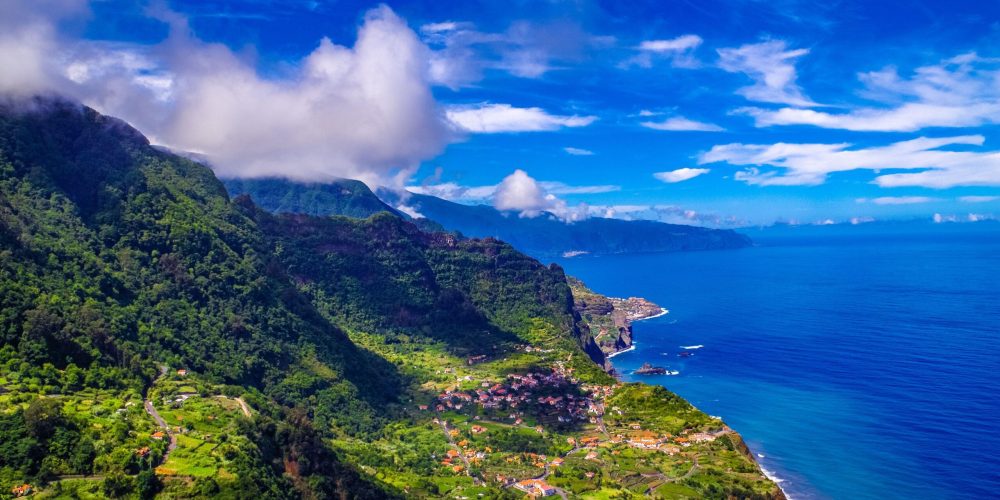
Perched in the Atlantic between Portugal and Morocco, Madeira is a lush volcanic island where mountains meet the sea, flowers bloom year-round, and wine flows like sunshine. Known as the “Island of Eternal Spring,” Madeira offers dramatic landscapes, gourmet dining, cliffside villages, and some of the best hiking in Europe.
Where Is Madeira & How to Get There
Madeira is an island in the Atlantic Ocean that belongs to Portugal, even though it’s located over 900 km southwest of Lisbon, and actually closer to the coast of Morocco than mainland Europe. It’s part of an autonomous region that includes Madeira, Porto Santo, and a few smaller islands. Despite its remote location, getting to Madeira is surprisingly easy.
You’ll fly into Cristiano Ronaldo International Airport (FNC), located just outside Funchal, the island’s vibrant capital. The airport handles direct flights from many major European cities, including Lisbon, Porto, London, Paris, Amsterdam, Frankfurt, Milan, and several Scandinavian capitals. Depending on the season, there are also charter flights and low-cost carriers offering connections from other parts of Europe.
If you’re already in Portugal, you can catch a short domestic flight — it’s about 1 hour and 45 minutes from Lisbon and slightly less from Porto. There’s also a ferry connecting Madeira to the nearby island of Porto Santo, but no regular ferry service from mainland Portugal, so air travel is the most practical and popular option for reaching Madeira.
Where to Stay: Areas to Explore
| Area | What to Expect | Useful Links |
|---|---|---|
| Funchal (Capital) | Elegant old town, botanical gardens, oceanfront promenade. | Hotels in Funchal |
| Câmara de Lobos | Fishing village charm + local poncha bars. | Book a stay near Câmara de Lobos |
| Calheta | Sunny southwest coast with beaches & art galleries. | Beachfront hotels in Calheta |
| Santana & North Coast | Iconic thatched-roof houses, waterfalls, and hiking trails. | Rural lodges in Santana |
| Ponta de São Lourenço | Rugged nature reserve with jaw-dropping cliffs. | Dolphin watching, Guided tours or hikes |
Island Life: Culture, Warmth & Wild Views
Madeira is where Portuguese tradition meets island lifestyle. Think embroidered tablecloths, quiet cobbled streets, and oceanfront cafés. Locals are warm and welcoming, often inviting visitors to taste homemade liqueurs or offering hiking tips like old friends.
There’s a quiet energy here—where nature is the luxury, and every view is postcard-perfect.
What to Eat & Drink in Madeira
Espetada: beef skewers grilled over wood fire, often served with garlic bread.
Scabbardfish with Banana Sounds strange, tastes amazing—a true Madeira classic.
Bolo do Caco: flatbread cooked on stone, slathered with garlic butter.
Passion Fruit Poncha: traditional sugarcane rum cocktail with citrus punch. Madeira Wine Fortified wine with centuries of history and rich flavor.
Book a Madeira food & wine tour
Best Excursions & Nature Experiences
Levada Walks – Follow ancient irrigation trails through lush forest, tunnels, and cliffs.
Cabo Girão Skywalk – Europe’s highest sea cliff with a glass-floored viewpoint.
Pico do Arieiro to Pico Ruivo – A bucket-list sunrise hike above the clouds.
Dolphin & Whale Watching Tours – Sail the Atlantic to meet local marine life.
Monte Cable Car + Toboggan Ride – Glide over Funchal, then slide downhill in a wicker sled!
Best Time to Visit Madeira
All-year destination: Average temps 17–25°C
Best months: April–June (flower season) and September–October (ideal weather + fewer crowds)
Funchal Flower Festival (May) and New Year’s Eve fireworks are world famous
Plan Your Escape to Madeira
Whether you’re sipping poncha in a hilltop village, hiking through laurel forests, or just breathing in the salty breeze from your balcony—Madeira feeds the soul without overwhelming the senses.
Let the island’s quiet magic take over—you may never want to leave.
- Departure Checklist
5. Naxos, Greece: Cycladic Charm Without the Crowds
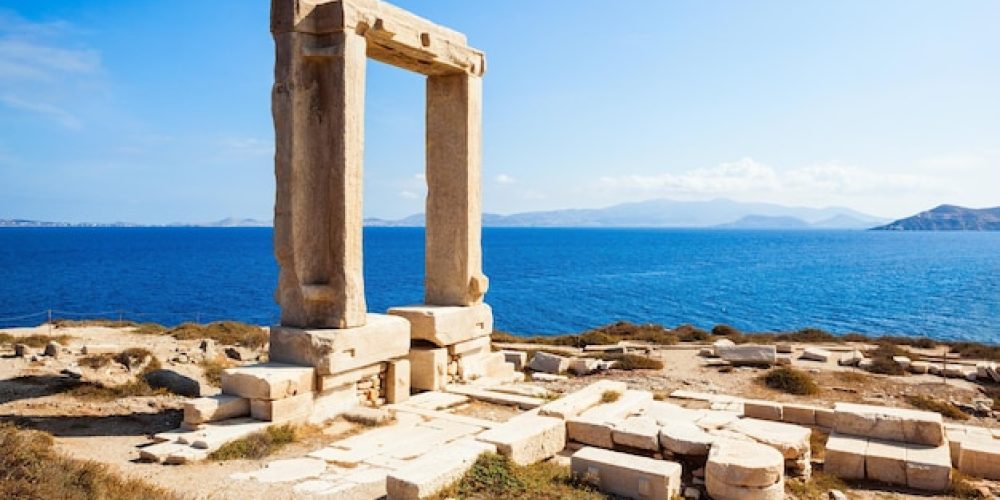
If Santorini is dramatic and Mykonos is glamorous, then Naxos is Greece’s soft-spoken treasure—authentic, breezy, and full of soul. The largest island in the Cyclades, Naxos blends golden beaches with ancient temples, mountain villages, and farm-to-table gastronomy. It’s ideal for slow travel, family holidays, romantic escapes, or off-the-radar adventures.
Where Is Naxos & How to Get There
Naxos is the largest island in the Cyclades, nestled in the Aegean Sea between Paros and Santorini. While it feels like a hidden gem, it’s surprisingly accessible. The island has a small airport (JNX) that receives daily flights from Athens, taking just about 40 minutes — a convenient option if you’re short on time.
However, the most popular way to reach Naxos is by ferry. Boats depart regularly from Piraeus, the port of Athens, with journeys taking around 4 to 5 hours, depending on the type of vessel. You can also arrive from nearby islands like Mykonos, Paros, or Santorini, often in just 1 to 2 hours, making Naxos a perfect stop on any Greek island-hopping itinerary.
Book ferries to Naxos from Athens or Santorini – Check direct flights to Naxos from Athens
Best Places to Stay in Naxos
| Area | What to Expect | Useful Links |
|---|---|---|
| Chora (Naxos Town) | Port city with old castle, marina, cafés & nightlife. | Hotels in Naxos |
| Agios Prokopios & Agia Anna | Long sandy beaches, ideal for families & sunsets. | Beachfront hotels |
| Plaka Beach | Laid-back beach strip with boho vibes & boutique stays. | Stay near Plaka Beach |
| Halki & Filoti (Inland) | Authentic villages with trails, tavernas, and quiet charm. | Rural guesthouses in Filoton |
| Apollonas (North) | Remote fishing village with wild coastline. | Seafront stays in Apollon |
Why Naxos? Slow Living, Big Beauty
Naxos isn’t about rushing between clubs or taking selfies at sunset. It’s about eating lunch under a plane tree, watching goats roam ancient paths, and swimming in clear water with no soundtrack but the sea.
Life here is grounded and deeply Greek—a mix of tradition, warm hospitality, and stunning nature.
What to Eat & Drink on Naxos
Kalogeros: beef or veal baked with cheese, tomatoes, and eggplant.
Graviera Naxou (PDO): famous Naxian cheese made from sheep & cow milk.
Kitron Liqueur: a citrusy spirit made from citron leaves—unique to Naxos.
Loukoumades: honey-soaked dough balls often served with cinnamon. Local wines & olive oil Grown in Naxos’ fertile inland valleys.
Top Things to Do in Naxos
Portara (Temple of Apollo) – The iconic marble gate watching over Chora’s sunset.
Hike to Mount Zas (Zeus’ mountain) – The highest peak in the Cyclades.
Explore Halki & the Tragea Valley – Byzantine churches, olive groves, and quiet trails.
Day trip by boat – Cruise to Koufonisia or hidden beaches. your
Book your adventure in Naxos. Catamaran excursions, boat trip or cultural tours.
When to Visit Naxos
Best time: May–June or September–early October (fewer crowds, great weather)
High season: July & August (book early—especially ferries and hotels)
Low season: Winter is very quiet, but some hiking and local life remains active
Book Your Naxos Escape
Whether you’re wandering olive groves, sailing between beaches, or sipping wine at a mountain taverna—Naxos brings you closer to real Greece, effortlessly.
Skip the scene. Embrace the soul. Naxos is Greece, undiluted. 🇬🇷💙
- Departure Checklist
6. Menorca, Spain: The Tranquil Star of the Balearic Islands
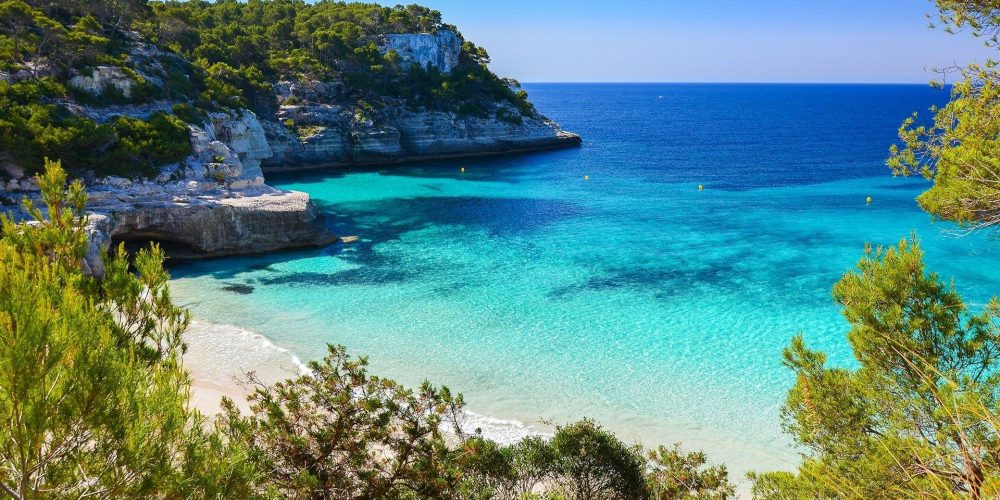
Often overshadowed by its bigger sisters Mallorca and Ibiza, Menorca is the quiet beauty of the Balearics—a sanctuary of crystal-clear waters, hidden beaches, and Mediterranean tradition. Recognized as a UNESCO Biosphere Reserve, Menorca is ideal for travelers who seek nature, authenticity, and calm.
It’s perfect for families, couples, nature lovers, and anyone looking to unplug without missing out on beauty and flavor.
Where Is Menorca & How to Get There
Menorca is a tranquil island in the western Mediterranean, part of Spain’s Balearic Islands, located just northeast of Mallorca. Known for its unspoiled beaches, turquoise coves, and laid-back vibe, it’s a favorite for travelers seeking a slower pace than its more famous neighbors.
Getting to Menorca is easy, especially in the warmer months. During the summer season, there are direct flights from many major European cities, including London, Paris, Munich, and Rome. Year-round, you can also connect through Madrid or Barcelona, with frequent daily flights.
If you prefer to travel by sea, ferries run from Barcelona, Valencia, and of course, from Mallorca, with varying travel times depending on the route and vessel. Whether you fly or sail in, Menorca welcomes you with stunning coastal scenery and a sense of calm from the very first moment.
Where to Stay in Menorca
| Area | What It Offers | Useful Links |
|---|---|---|
| Ciutadella | Historic old town, lively squares & sunset views | Hotels in Ciutadella |
| Mahon (Maó) | Capital with harbor views, culture & shopping | Stay in Mahon |
| Cala Galdana | Family-friendly beach resort with stunning bay | Resorts in Cala Galdana |
| Binibeca | Whitewashed fishing village, ideal for couples | Romantic stays in Binibeca |
| Fornells | Coastal charm, water sports & seafood | Stay near Fornells |
Menorca’s Lifestyle: Nature, Heritage & Peace
Menorca is a place where you slow down naturally. Mornings begin with sea views, afternoons are spent hopping between calas (coves), and evenings bring quiet village dinners under the stars.
The island has deep roots—from Bronze Age megaliths to 18th-century British architecture. You’ll find influences from Spain, Britain, and even North Africa, but the island’s identity remains proudly Menorcan.
What to Eat & Drink in Menorca
Caldereta de Langosta: famous lobster stew, especially in Fornells
Mahón Cheese (DO): sharp, buttery cheese aged in island caves
Sobrasada & Embutidos: cured meats with smoky paprika notes
Gin Xoriguer: local gin with a British twist, perfect in a pomada
Ensaimadas: sweet, coiled pastries found in every bakery
Join a Menorcan food & wine tasting tour
Top Things to Do in Menorca
Swim at Cala Macarella & Cala Mitjana – Picture-perfect turquoise beaches
Explore Ciutadella’s Old Town – Cobblestone streets and Gothic architecture
Cami de Cavalls hike or ride – 185 km coastal trail with amazing views
Sunset at Punta Nati or Cova d’en Xoroi – Epic photo spots
Kayak or boat around virgin coves – Some beaches are only reachable by sea
Visit Talayotic ruins – Ancient stone monuments scattered across the island
Book a boat tour to hidden beaches – Discover hidden caves with a guided kayaking tour
When to Visit Menorca
Best time: May–June and September – warm weather, fewer crowds
Peak season: July–August – great for beach life, but book early
Spring & Autumn: Perfect for hiking, biking, and local culture
Winter: Quiet and peaceful, though many tourist spots close
Plan Your Menorca Escape
Menorca isn’t about fast parties or flashy resorts. It’s about real rest, natural beauty, and local connection. From its wild cliffs to tranquil turquoise coves, this island invites you to breathe deeper.
Come for the beaches. Stay for the peace. 🇪🇸💙
- Departure Checklist
7. Corfu, Greece: The Emerald Island of the Ionian Sea
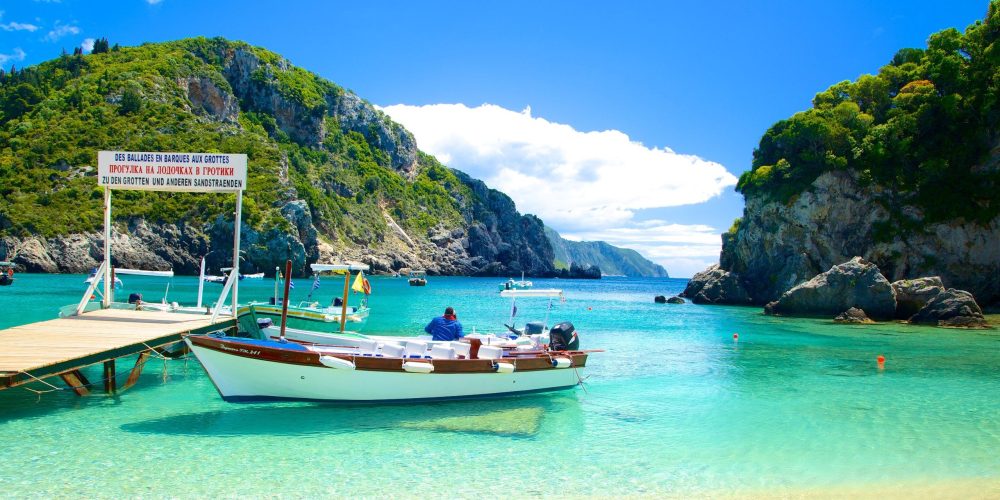
Tucked into the northwest corner of Greece, Corfu is where Venetian elegance meets olive groves, turquoise beaches, and timeless island charm. Known as the Emerald Island for its lush landscape, Corfu offers a rich mix of history, Mediterranean lifestyle, and coastal beauty—making it one of the most beloved destinations in the Ionian Sea.
Whether you want romantic old towns, family-friendly resorts, or quiet coves to yourself—Corfu has it all.
Where Is Corfu & How to Get There
Corfu is one of Greece’s lush Ionian Islands, located just off the northwest coast of the mainland, close to the Albanian border. With its mix of Venetian charm, olive groves, and turquoise waters, it’s a favorite destination for both culture lovers and beach seekers.
Getting to Corfu is straightforward. During the summer season, there are direct flights from most major European cities, including London, Amsterdam, Milan, Paris, and Frankfurt. Outside the high season, you can fly via Athens, which offers regular domestic connections.
Corfu is also accessible by ferry. The most common route is from Igoumenitsa on the Greek mainland, with several crossings daily. You can also arrive by sea from Italy, with ferries departing from Bari, Brindisi, and Ancona, or island-hop from other Ionian destinations like Paxos.
Book your flight to Corfu – Search ferry routes to Corfu – Compare car rentals to explore the island
Best Areas to Stay in Corfu
| Area | What You’ll Find | Useful Links |
|---|---|---|
| Corfu Town (Kerkyra) | Historic architecture, nightlife, museums & shopping | Hotels in Corfu Town |
| Paleokastritsa | Stunning cliffs, clear waters, and beach coves | Beach resorts in Paleokastritsa |
| Dassia & Ipsos | Family-friendly beaches & budget stays | Stay in Dassia/Ipsos] |
| Kassiopi (North Coast) | Traditional village charm + nearby beaches | Book in Kassiopi |
| Agios Gordios & Glyfada (West Coast) | Sunset views and relaxed beach vibes | Hotels with sea view |
Culture & Lifestyle: Corfu’s European Soul
Unlike the whitewashed minimalism of the Cyclades, Corfu’s style is romantic and green—influenced by centuries of Venetian, British, and French rule. Think pastel mansions, leafy esplanades, and neoclassical palaces.
Locals are friendly, the rhythm of life is unhurried, and evenings are best spent on a shady terrace with a glass of chilled white wine.
What to Eat & Drink in Corfu
Corfiot cuisine is uniquely Greek with a twist of Italian flair. Look for these must-try dishes:
Pastitsada: slow-cooked beef in tomato, clove, and cinnamon sauce over pasta
Sofrito: sliced veal in white wine, garlic, and parsley sauce
Bourdeto: spicy fish stew with red pepper and lemon
Kumquat Liqueur: a sweet island specialty, unique to Corfu
Local Wines & Olive Oil: produced in Corfu’s inland hills
Join a Corfu food & wine walking tour
Best Things to Do in Corfu
Old Town of Corfu – A UNESCO World Heritage Site with cobbled alleys and Venetian fortresses
Paleokastrits Monastery & Bay – One of the most photogenic spots on the island
Boat tour to Paxos & Antipaxos – Turquoise lagoons and sea caves
Achilleion Palace – Neoclassical palace built by Empress Sisi of Austria
Canal d’Amour in Sidari – Legend says couples who swim here stay in love forever
Mount Pantokrator – Hike or drive to Corfu’s highest point for panoramic views
Book boat trips to Paxos – Reserve a tour of Corfu Town & Achilleion
When to Visit Corfu
Best time: May–June and September–October – mild weather, fewer crowds
High season: July & August – sunny, vibrant, and ideal for beach lovers
Spring (April–May): Wildflowers and lush landscapes
Fall (September–October): Perfect for hiking, culture, and warm sea swims
Plan Your Dream Corfu Getaway
Whether you’re swimming through sea caves, strolling through pastel alleyways, or just sipping espresso by the sea—Corfu delivers a Mediterranean dream with history, hospitality, and heart.
Corfu isn’t just another island—it’s a soulful escape with a European twist. 🇬🇷✨
- Departure Checklist

Disclosure
We’ve carefully selected these options to help you plan the best possible trip. We hope you found this guide helpful and inspiring! Some of the links in this post are affiliate links, which means we may earn a small commission—at no extra cost to you—if you make a booking through them.Thanks for reading, and don’t forget to follow us for more travel inspiration and hidden gems around Europe and beyond.